 ME
How to Build a Cyber Hygiene Policy That Sticks
Cyber hygiene is like brushing your teeth. It only works if you do it consistently. For small and midsize businesses (SMBs), having a cybersecurity policy written down is not enough. The real challenge is making sure employees understand it and practice it every day.
Here’s how to build a cyber hygiene policy that actually sticks:
- Define Cyber Hygiene Clearly
Start by explaining what cyber hygiene means in simple, non-technical language. For example, you can compare it to daily health routines such as washing hands or brushing teeth. When employees understand that it is about protecting both themselves and the company, they are more likely to take it seriously.
2. Set Password and MFA Rules
Require strong, unique passwords across all accounts and reinforce the importance of not reusing them. Add multi-factor authentication (MFA) to create an extra layer of protection. These rules should be clear, easy to follow, and non-negotiable.
3. Train Staff on Phishing Red Flags
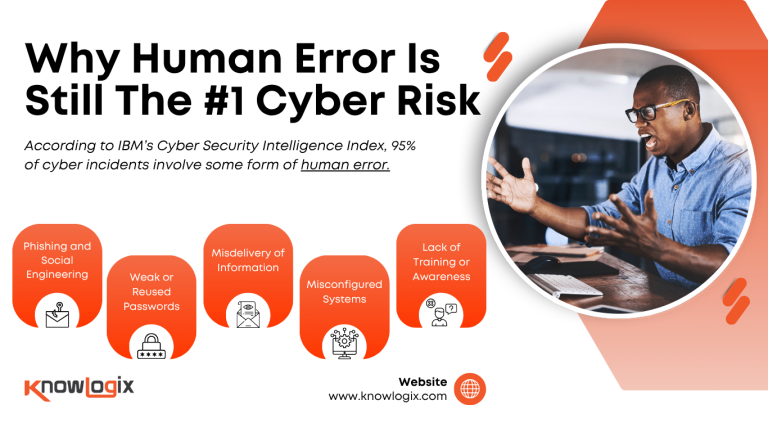
Phishing is one of the biggest threats facing SMBs. Provide regular training to help staff spot red flags such as strange email addresses, urgent requests, or suspicious links. Encourage a “report, don’t click” culture so employees know what to do when they encounter something unusual.
4. Establish a Device Check-Up Routine
Make device maintenance part of the policy. Encourage employees to update their software, scan for malware, and report issues promptly. Small habits like these prevent bigger security gaps from forming.
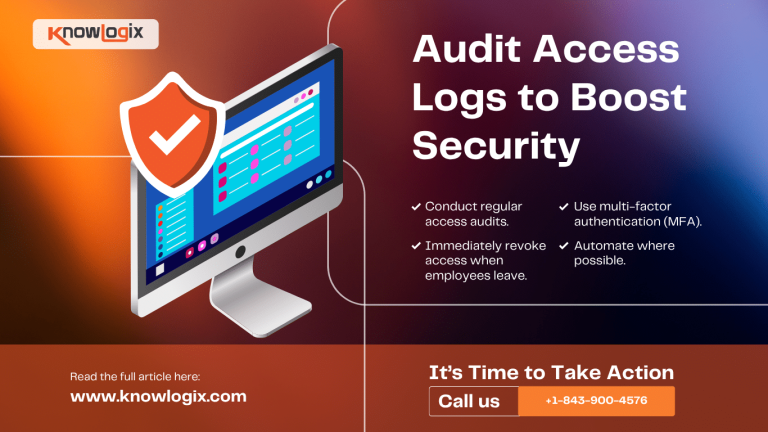
5. Audit and Review Regularly
Cybersecurity policies are not “set and forget.” Threats evolve, and so should your policies. Schedule regular reviews to ensure rules are still relevant and effective. Update training materials and guidelines whenever new risks appear.
The best cyber hygiene policy is the one your team actually follows. By keeping it simple, practical, and consistent, you can create a culture of security that protects your business every day.
Want help creating policies your team will actually follow?
Visit knowlogix.com/ or call us at +1-843-900-4576.